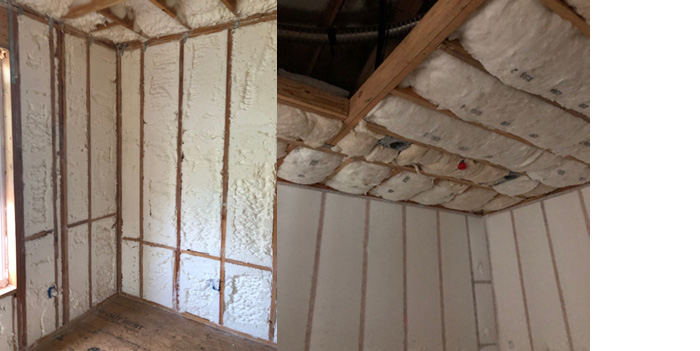
The building insulation is the cushion in between the exterior and the building interior and inside the wall. It is the barrier to the temperature variations. During the summer, insulation helps cool the air inside the building and protect it from the warm air outside. During the winter, insulation does just the opposite by keeping warm the air inside while separating it from the cold air outside by reducing the rate of heat transfer.
Insulation also affects the sizing of your HVAC, the way it manages fuel combustion, and the decision to choose a fuel HVAC furnace or an electrical furnace.
Types of Insulation
There are different types of insulation including wool, cellulose, polystyrene, and urethane foam. The insulation can be either in spray form, blown in, or batts. The kinds of insulations that work best may vary according to several factors, including the weather of your geographical area.
Every type of insulation has a different use. For example, thermal insulation warms or cools a space. Acoustic insulation filters noise between different rooms and floors of your home. Reflective foil and vapor barrier insulation help protect your home from outside elements such as rain, moisture, dust, or wind. This type of barrier is especially useful during colder months, as it can stop damaging moisture from entering your walls and becoming mildew.
Water heater insulation blankets are specifically designed to stop your water heater from working overtime, adding an extra boost of heat that will keep water warm throughout the day.
Energy Efficiency and Insulation
How can insulation give your home or business maximum energy efficiency?
For one thing, adding the correct amount of energy-efficient insulation to an already existing home or business can drastically reduce your energy costs and your carbon footprint. This one simple change can increase property value.
If you have any questions don’t hesitate to give us a call and contact us!